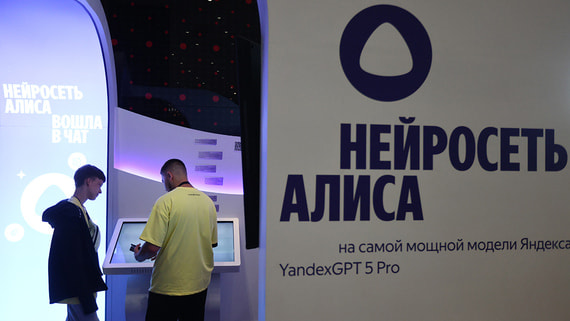

The European Union has imposed new sanctions targeting VK Group, one of Russia’s largest technology conglomerates, and its subsidiary services including the Max platform. These restrictions represent a significant escalation in the West’s economic pressure campaign against Russian digital infrastructure and are designed to create substantial challenges for the company’s international business relationships. The measures are expected to have far-reaching consequences not only for VK itself but also for its foreign partners who maintain commercial ties with the Russian tech giant.
Understanding the Scope of New EU Restrictions
The sanctions package targets VK Group’s core operations and extends to its various digital services that have become integral to Russian internet users’ daily lives. VK, formerly known as Mail.ru Group, operates Russia’s most popular social network VKontakte, email services, cloud storage, and numerous other digital platforms serving over 100 million users monthly. The Max platform, which provides streaming and entertainment services, has also been included in the restrictive measures. European regulators have specifically designed these sanctions to limit VK’s ability to conduct business with Western companies, access international financial systems, and acquire foreign technologies essential for platform development and maintenance.
The timing of these sanctions reflects the EU’s broader strategy of targeting Russian technology companies that play crucial roles in the country’s digital economy. Since 2022, Western nations have progressively expanded their sanctions regimes to include not just traditional economic sectors like energy and finance, but increasingly the technology sector, which authorities view as strategically important to Russia’s economic resilience and military capabilities. VK’s inclusion in the sanctions list follows similar measures taken against other Russian tech firms and represents a recognition of the company’s significance in maintaining Russia’s digital sovereignty.
Economic Pressure on International Partners
Perhaps the most significant aspect of these new restrictions lies in their secondary effects on VK’s international business partners. Companies that continue to engage in commercial relationships with VK risk facing their own compliance challenges and potential penalties under EU law. This creates a powerful deterrent effect that extends far beyond the direct sanctions themselves. Foreign technology vendors, advertising networks, payment processors, and content providers must now carefully evaluate whether maintaining their relationships with VK is worth the regulatory and reputational risks involved. Industry analysts suggest that many international companies will choose to sever ties with the Russian tech giant rather than navigate the complex compliance landscape.
The economic pressure mechanism operates on multiple levels. First, it restricts VK’s access to Western software, hardware, and cloud services that have historically been important for maintaining competitive digital platforms. Second, it limits the company’s ability to generate revenue from international advertising markets and partnership arrangements. Third, it creates uncertainty for any foreign investor or business partner considering future cooperation with VK or its subsidiaries. This comprehensive approach mirrors similar sanctions strategies that have proven effective in isolating other targeted entities from the global economy.
Historical Context and Strategic Implications
VK Group has undergone significant transformations since its founding in the mid-2000s as a social networking platform modeled after Facebook. Over the years, the company evolved into a diversified technology holding company with interests spanning social media, gaming, food delivery, education technology, and enterprise services. The company’s ownership structure has also changed dramatically, with state-connected entities acquiring increasing control in recent years. This shift toward government-aligned ownership has made VK a more prominent target for Western sanctions aimed at pressuring Russian authorities through economic means.
The sanctions against VK also reflect broader concerns about the role of technology platforms in modern information warfare and social control. Western policymakers have expressed concerns about VK’s potential use for surveillance, censorship, and propaganda distribution within Russia. By limiting the platform’s access to international resources and partnerships, EU authorities hope to constrain these capabilities while simultaneously demonstrating that technology companies operating in alignment with sanctioned governments will face consequences in international markets. The long-term effectiveness of these measures remains to be seen, as Russia has been actively developing domestic alternatives to Western technologies and services.
Expert Opinion: The EU’s sanctions against VK represent a strategic pivot toward targeting Russia’s digital infrastructure as a pressure point in the ongoing economic confrontation. While these measures will undoubtedly create operational challenges for VK and its partners, they may also accelerate Russia’s push for technological self-sufficiency, potentially fragmenting the global internet ecosystem further. The coming months will reveal whether Western technology companies prioritize compliance over market access, which will ultimately determine the sanctions’ effectiveness.