
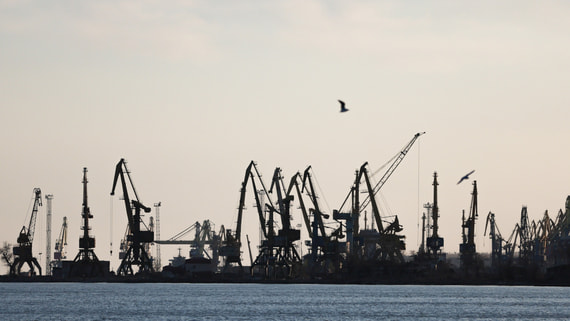
Russian authorities have issued warnings about possible restrictions on cargo transportation through the Azov Sea following a series of attacks attributed to Ukrainian armed forces. The escalating military activity in this strategically vital waterway has raised significant concerns about the future of commercial shipping in the region, potentially affecting grain exports, industrial materials, and energy supplies that typically transit through these waters. Officials are currently assessing the full scope of the damage and evaluating security measures needed to protect maritime traffic in what has become an increasingly contested zone.
The Azov Sea, a shallow body of water connected to the Black Sea through the Kerch Strait, has long served as a critical artery for regional commerce. Before the current conflict, the sea facilitated the transport of millions of tons of agricultural products, steel, and coal from major port cities including Mariupol, Berdyansk, and Taganrog. The waterway’s strategic importance cannot be overstated, as it provides essential access for landlocked industrial regions to international shipping lanes. Any disruption to navigation in these waters has far-reaching implications for global supply chains, particularly in the agricultural and metallurgical sectors.
Historical Context and Strategic Significance
The Azov Sea has been a focal point of geopolitical tension for decades, with its importance magnified significantly since 2014. The construction of the Crimean Bridge across the Kerch Strait in 2018 added another layer of strategic complexity to the region. This 19-kilometer structure, connecting the Crimean Peninsula to mainland Russia, represents both a vital transportation link and a potential military target. The bridge has previously been subjected to attacks, highlighting the vulnerability of key infrastructure in the area. Maritime security experts have long warned that the narrow Kerch Strait represents a significant chokepoint that could be exploited during military conflicts.
The current warnings from authorities reflect a broader pattern of escalating tensions in the region’s waterways. Commercial vessel operators have reported increased military activity, including the presence of naval vessels, aerial surveillance, and periodic closures of shipping lanes for security reasons. Insurance companies have responded by dramatically increasing premiums for vessels operating in the area, with some carriers choosing to avoid the region altogether. This has created a ripple effect throughout international shipping markets, as alternative routes are longer, more expensive, and often lack the infrastructure to handle the volume of cargo typically routed through the Azov Sea.
Economic Impact and International Response
The potential restrictions on cargo transportation could have severe economic consequences both regionally and globally. The Azov Sea ports traditionally handle significant volumes of grain exports, and any disruption threatens to exacerbate existing food security concerns in importing nations, particularly in Africa and the Middle East. The metallurgical industry, centered around cities like Mariupol, has already been devastated by the conflict, but remaining operational facilities in the region depend on maritime access for both raw material imports and finished product exports. Energy sector logistics, including the transport of coal and petroleum products, would similarly be affected by any new restrictions.
International maritime organizations have been closely monitoring the situation, with several issuing advisories for commercial vessels operating in the Black Sea and Azov Sea regions. The International Maritime Organization has called for the protection of civilian shipping and adherence to international maritime law, while industry groups have urged diplomatic solutions to ensure the continued flow of essential goods. Meanwhile, regional authorities are reportedly developing contingency plans that may include convoy systems, enhanced surveillance, and designated safe corridors for commercial traffic. These measures, while potentially effective in improving security, would inevitably slow the pace of maritime commerce and increase operational costs for shipping companies.
Future Outlook and Security Considerations
Looking ahead, the situation in the Azov Sea remains fluid and uncertain. Military analysts suggest that the waterway will continue to be a contested space for the foreseeable future, with both sides recognizing its strategic value. The implementation of cargo restrictions would represent a significant escalation in economic terms, potentially triggering retaliatory measures and further complicating international efforts to maintain food and energy security. Authorities have indicated that any restrictions would be carefully calibrated to balance security concerns with economic necessity, though the exact parameters of such measures remain unclear. As the international community watches developments closely, the fate of one of the world’s most strategically important waterways hangs in the balance.
Expert Opinion: Maritime security analysts anticipate that the Azov Sea will experience prolonged periods of restricted commercial activity as military operations continue to prioritize control of this strategic waterway. The implementation of even temporary cargo limitations could permanently alter regional shipping patterns, as companies seek more stable alternatives despite higher costs. Long-term resolution will likely require comprehensive security guarantees that currently appear distant, suggesting sustained economic disruption for industries dependent on Azov Sea transit routes.