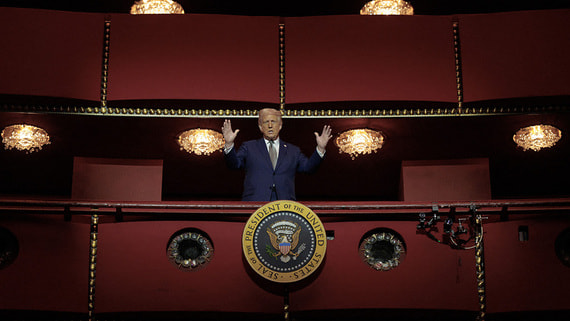
In a dramatic escalation of the ongoing dispute between the Trump administration and the prestigious Kennedy Center for the Performing Arts, the United States Department of Justice has indicated it foresees the possible demolition of the iconic cultural institution. The conflict stems from the administration’s displeasure over the center’s decision to potentially remove Donald Trump’s name from its facade, marking yet another chapter in the increasingly contentious relationship between the federal government and one of America’s most celebrated arts venues.
The Kennedy Center, officially known as the John F. Kennedy Center for the Performing Arts, has been a cornerstone of American cultural life since its opening in 1971. Located on the banks of the Potomac River in Washington, D.C., the center serves as both a living memorial to President John F. Kennedy and the nation’s busiest performing arts facility. Each year, the center hosts approximately 2,000 performances attended by millions of visitors, featuring world-class opera, ballet, symphony orchestras, and theatrical productions.
Origins of the Naming Dispute
The controversy centers on the tradition of recognizing major donors and political figures on the center’s exterior. Former President Trump’s name was added to the building following significant contributions and support during his tenure. However, the center’s board has reportedly been considering whether to maintain this recognition, leading to sharp criticism from the current administration. The Justice Department’s response suggesting potential demolition represents an unprecedented threat to a federally supported cultural institution.
Legal experts have expressed considerable alarm at the suggestion that a dispute over naming rights could escalate to discussions of demolishing a national landmark. Constitutional scholars point out that the Kennedy Center operates as a bureau of the Smithsonian Institution and receives substantial federal funding, which creates a complex web of legal obligations and protections. The building itself is considered an architectural masterpiece, designed by renowned architect Edward Durell Stone, and holds significant historical value beyond its function as a performance venue.
Political and Cultural Implications
The arts community has responded with widespread concern to the Justice Department’s statements. Arts administrators, performers, and cultural advocates across the country have rallied in support of the Kennedy Center, viewing the threat as an attack on artistic freedom and cultural institutions more broadly. Many observers note that this conflict reflects deeper tensions between the administration and organizations perceived as representing liberal cultural values.
Historically, the Kennedy Center has maintained a careful balance between its role as a federal institution and its independence as an artistic organization. The center’s charter specifically protects its programming decisions from political interference, though its reliance on federal support creates inherent vulnerabilities. Previous administrations of both parties have generally respected this arrangement, making the current conflict particularly unusual.
Looking Ahead
As this situation continues to develop, many questions remain unanswered about the legal mechanisms that could potentially be used to carry out such a dramatic action, and whether any actual demolition plans are being seriously considered. Congressional leaders from both parties have begun calling for clarification from the Justice Department, while preservation groups have started mobilizing to protect what they consider an irreplaceable piece of American cultural heritage. The outcome of this dispute could have lasting implications for the relationship between federal arts institutions and political oversight.
Expert Opinion: This unprecedented confrontation between a federal agency and a major cultural institution signals a potentially dangerous precedent for arts organizations that receive government support. The threat of demolition, whether rhetorical or genuine, could create a chilling effect on cultural institutions’ willingness to make independent decisions about recognition and naming. Observers should watch closely for congressional responses and potential legal challenges that could establish important boundaries between political influence and institutional autonomy in the arts sector.