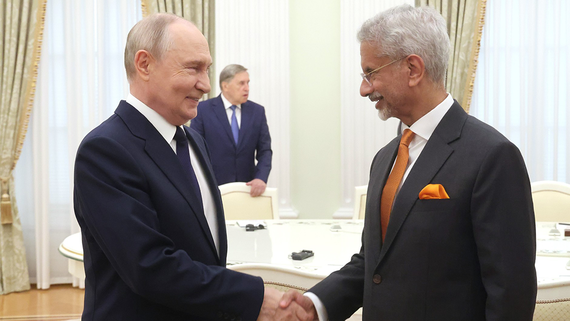
In a significant diplomatic development, India’s Foreign Minister recently completed an official visit to Moscow, where discussions centered on expanding bilateral cooperation across multiple strategic sectors. The highlight of the talks was Russia’s expressed readiness to authorize nuclear fuel production capabilities for India, marking a potential milestone in the two nations’ longstanding partnership in civil nuclear energy. This development comes at a time when both countries are seeking to deepen their ties despite the complex geopolitical landscape shaped by Western sanctions on Russia and India’s balancing act between East and West.
The Moscow visit underscores the enduring importance of the Russia-India relationship, which dates back to the Cold War era when the Soviet Union was one of India’s primary strategic partners. Over the decades, this partnership has evolved to encompass defense cooperation, energy security, and technological collaboration. Russia remains India’s largest arms supplier, and the two nations have maintained what they describe as a “special and privileged strategic partnership” that has weathered various international pressures and shifting global alliances.
Nuclear Cooperation Takes Center Stage
Russia’s offer to enable India’s domestic nuclear fuel production represents a major step forward in their nuclear cooperation agreement. Currently, Russia has been instrumental in constructing the Kudankulam Nuclear Power Plant in Tamil Nadu, which serves as the cornerstone of Indo-Russian civil nuclear cooperation. The plant, featuring Russian VVER-1000 reactors, has been operational since 2013, with additional units under construction. If India gains the capability to produce its own nuclear fuel domestically, it would significantly reduce dependence on imported fuel supplies and enhance the country’s energy security in the long term.
This proposal aligns with India’s ambitious plans to expand its nuclear power generation capacity as part of its broader energy transition strategy. India currently operates 23 nuclear reactors with a total capacity of approximately 7,480 megawatts, but the government has set targets to dramatically increase this output to meet growing electricity demand while reducing carbon emissions. Nuclear energy is seen as a crucial component of India’s path toward achieving net-zero emissions by 2070, a commitment made at the COP26 climate summit.
Strategic Implications and Global Context
The timing of this diplomatic engagement carries significant geopolitical weight. Since Russia’s military operation in Ukraine began in 2022, India has maintained a carefully calibrated position, neither explicitly condemning Moscow nor fully aligning with Western sanctions. India has continued to purchase Russian oil at discounted prices and has resisted pressure from the United States and European allies to distance itself from its traditional partner. This visit and the accompanying nuclear cooperation discussions signal that New Delhi intends to maintain and even strengthen this relationship despite international complications.
For Russia, deepening ties with India serves multiple strategic purposes. As Western markets have closed off due to sanctions, Moscow has increasingly looked toward Asian partners to sustain its economy and maintain its global influence. India, with its massive economy and growing energy needs, represents an ideal partner. The nuclear cooperation offer can be seen as part of Russia’s broader effort to cement these relationships by offering tangible technological and economic benefits that Western nations have been reluctant or unable to match.
Future of Indo-Russian Relations
Beyond nuclear energy, the Moscow talks reportedly covered a range of bilateral issues including defense modernization, trade expansion, and connectivity projects. Both nations have been working on alternative payment mechanisms to facilitate trade without relying on dollar-based transactions, which have become complicated due to sanctions. The two countries have set ambitious trade targets, aiming to reach $30 billion in bilateral commerce, up significantly from current levels.
As India continues its rise as a major global power, its relationship with Russia will remain a key element of its foreign policy calculus. The nuclear fuel production agreement, if finalized, would represent one of the most concrete outcomes of this enduring partnership in recent years, providing India with critical capabilities while giving Russia a continued strategic foothold in South Asia. How India manages this relationship alongside its growing ties with the United States and other Western democracies will be one of the defining features of 21st-century diplomacy.
Expert Opinion: This nuclear cooperation offer represents Moscow’s strategic investment in maintaining India as a key partner amid its international isolation. For India, domestic nuclear fuel production capability would be a game-changer for energy independence, though New Delhi will need to carefully balance this partnership with its Quad commitments and growing Western ties. The coming months will reveal whether this proposal translates into concrete agreements or remains a diplomatic gesture designed to signal continued bilateral warmth.