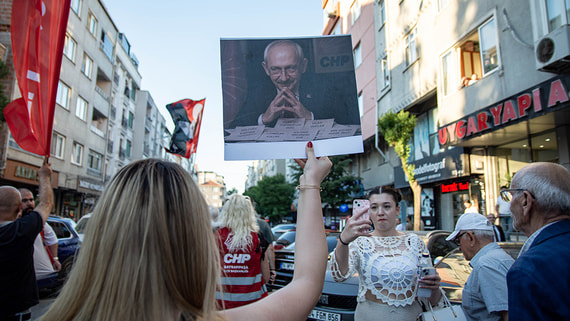
Turkey’s political landscape is undergoing a significant transformation as internal divisions within the country’s primary opposition party have created space for new political movements to emerge. This shifting dynamic is increasingly becoming a concern for President Recep Tayyip Erdogan, who has dominated Turkish politics for over two decades. The fractures within the Republican People’s Party (CHP), Turkey’s oldest political organization founded by Mustafa Kemal Ataturk himself, have opened unexpected opportunities for alternative opposition voices that could reshape the nation’s electoral future.
The CHP, which has served as the main counterweight to Erdogan’s ruling Justice and Development Party (AKP) since 2002, has struggled with internal ideological battles and leadership disputes for years. These tensions reached a breaking point in recent months, leading to defections of prominent figures and the emergence of splinter groups seeking to offer Turkish voters a different vision for the country’s future. The party’s inability to present a unified front has frustrated supporters who had hoped for a stronger challenge to the incumbent government’s grip on power.
Historical Context of Turkish Opposition Politics
The Republican People’s Party holds a unique place in Turkish political history as the founding party of the modern Turkish Republic. Established in 1923, it governed Turkey as a single-party state until 1946 and has since positioned itself as the defender of secularism and Kemalist principles. However, the party has won only a handful of elections since Turkey’s transition to multi-party democracy, and it has been out of power at the national level for more than two decades. This prolonged period in opposition has created deep frustrations within the party ranks and contributed to the current internal strife.
President Erdogan and his AKP have capitalized on opposition weaknesses throughout their time in power. Since first becoming Prime Minister in 2003, Erdogan has transformed Turkey’s political system, including a 2017 constitutional referendum that shifted the country from a parliamentary to a presidential system, significantly concentrating executive power. His ability to maintain electoral dominance has relied partly on a fragmented opposition that has struggled to unite behind a single candidate or coherent platform. The current split within the CHP threatens to further complicate opposition efforts to mount an effective challenge.
New Political Movements Gaining Momentum
The vacuum created by the CHP’s internal troubles has allowed newer political forces to gain traction among disillusioned voters. Several former CHP members have launched their own movements, attempting to attract both secular urbanites and conservative voters who have grown weary of the AKP’s long tenure. These emerging parties are positioning themselves as fresh alternatives unburdened by the established parties’ historical baggage and internal conflicts. Political analysts suggest that this fragmentation could either strengthen the overall opposition by appealing to a broader coalition of voters or further divide the anti-Erdogan vote, ultimately benefiting the incumbent.
Economic challenges facing Turkey have added urgency to the political realignment. The country has battled persistent inflation, currency depreciation, and cost-of-living pressures that have eroded support for the ruling party in urban centers. Opposition movements are seeking to channel public frustration into electoral gains, though their success will depend on whether they can coordinate effectively or whether competition among themselves will dilute their impact. Municipal elections and the next general elections will serve as crucial tests of whether this new opposition landscape can translate discontent into political change.
Implications for Turkey’s Democratic Future
The evolution of Turkey’s opposition carries significant implications for the country’s democratic trajectory. A more diverse political spectrum could potentially lead to greater representation of different viewpoints and interests in Turkish politics. However, the risk of excessive fragmentation remains a concern, as Turkey’s electoral system tends to favor larger, consolidated parties. For President Erdogan, who has navigated numerous political challenges throughout his career, the current opposition dynamics present both opportunities and threats. While a divided opposition could ease his path to continued dominance, the emergence of energized new movements could also mobilize previously disengaged voters and create unpredictable electoral outcomes.
International observers are watching Turkey’s political developments closely, given the country’s strategic importance as a NATO member, a key player in regional conflicts, and a bridge between Europe and the Middle East. The direction of Turkish politics will influence everything from migration policy to energy security to the broader balance of power in the Eastern Mediterranean. As the opposition continues to reshape itself, the coming months will reveal whether these changes represent a genuine democratic renewal or simply a reshuffling of familiar political patterns.
Expert Opinion: The fragmentation of Turkey’s traditional opposition creates a paradoxical situation where increased political diversity may actually strengthen authoritarian tendencies in the short term. However, if emerging political forces can establish credible platforms and attract younger voters who have grown up entirely under AKP rule, Turkey could witness a generational shift in its political culture within the next electoral cycle. The key variable will be whether economic pressures force opposition coordination or accelerate competitive infighting.