Japan is undergoing a significant shift in its defense posture, with political leaders increasingly advocating for substantial increases in military spending as a means to deter China and simultaneously stimulate economic growth. At the forefront of this movement is Sanae Takaichi, a prominent conservative politician who has been vocal about the need to modernize Japan’s Self-Defense Forces and expand the country’s military capabilities in response to growing regional tensions.
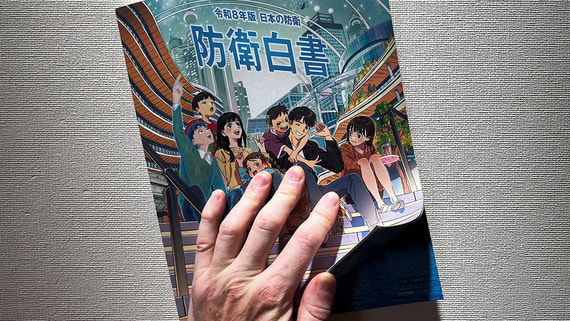
The approach has been characterized by some observers as “anime-style militarization,” a reference to Japan’s unique cultural blend of cutting-edge technology, pop culture influence, and strategic defense planning. This moniker reflects both the country’s embrace of advanced military technologies and its distinctive approach to recruiting and promoting its armed forces through media campaigns that often incorporate elements of Japanese popular culture.
Rising Defense Budgets and Regional Tensions
Japan’s defense spending has been on a steady upward trajectory in recent years, breaking decades of self-imposed restraint that kept military expenditures below one percent of GDP. In December 2022, the Japanese government announced plans to nearly double its defense budget over five years, bringing spending to approximately two percent of GDP by 2027. This would make Japan the world’s third-largest military spender, trailing only the United States and China. The dramatic increase represents a fundamental departure from Japan’s post-World War II pacifist constitution, which technically prohibits the maintenance of war potential.
The primary driver behind this military expansion is the perceived threat from China, which has dramatically increased its own defense spending and military activities in the region. Chinese naval vessels and aircraft regularly operate near Japanese territorial waters, particularly around the disputed Senkaku Islands, known as the Diaoyu Islands in China. North Korea’s continued development of nuclear weapons and ballistic missiles capable of reaching Japanese territory adds another layer of urgency to Tokyo’s defense calculations.
Economic Arguments for Military Investment
Takaichi and other proponents of increased military spending argue that defense investments can serve as an economic stimulus, creating jobs in the defense industry and spurring technological innovation that can benefit civilian sectors. This argument draws parallels to the military-industrial complexes in Western nations, where defense contracts have historically supported manufacturing bases and funded research and development with broad applications. Japan’s advanced electronics, robotics, and aerospace industries are seen as natural beneficiaries of increased defense procurement.
Critics, however, question whether military spending represents the most efficient use of public funds for economic stimulus, particularly given Japan’s massive public debt, which exceeds 250 percent of GDP. Some economists argue that investments in education, infrastructure, or green energy might produce better long-term economic returns. Nevertheless, the security argument has gained considerable traction among Japanese voters, with polls showing increasing support for a stronger military posture in response to regional threats.
Constitutional Debates and Historical Context
Japan’s path toward remilitarization is complicated by Article 9 of its constitution, which was drafted under American occupation following World War II. This article renounces war as a sovereign right and prohibits the maintenance of military forces. For decades, successive Japanese governments have interpreted this provision to allow for “Self-Defense Forces” while prohibiting offensive military capabilities or collective defense arrangements. Recent reinterpretations have loosened some of these restrictions, allowing Japan to engage in limited collective self-defense with allies like the United States.
The historical legacy of Japanese militarism continues to influence domestic debates and regional relationships. Countries that experienced Japanese occupation during World War II, including China and South Korea, remain sensitive to any signs of Japanese military expansion. Tokyo must therefore balance its security needs against diplomatic considerations and historical sensitivities, making its defense modernization a delicate political exercise both at home and abroad.
Expert Opinion: Japan’s accelerated defense modernization represents a pivotal moment in Asian security architecture, potentially triggering an arms race dynamic with China while fundamentally altering the post-war regional order. The economic justification for military spending, while politically useful, should be viewed cautiously—the primary drivers remain genuine security concerns rather than fiscal stimulus objectives. Tokyo’s ability to navigate constitutional constraints while building credible deterrence will be crucial in determining whether this strategy achieves stability or escalation in the Indo-Pacific.