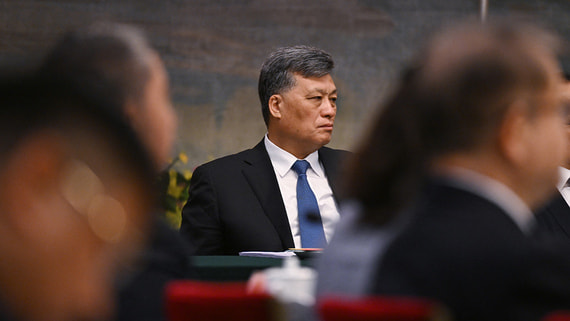
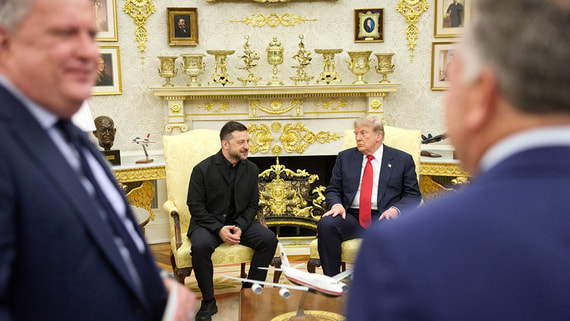
Ukrainian President Volodymyr Zelensky held a significant telephone conversation with U.S. President Donald Trump on a day marked by the funeral of Senator Lindsey Graham, one of Ukraine’s most vocal supporters in the United States Congress. The call focused on securing increased American support for Ukraine as the country continues to defend itself against Russian aggression. This conversation comes at a critical juncture in U.S.-Ukraine relations, with ongoing debates in Washington about the scope and duration of military and financial assistance to Kyiv.
The timing of the call, coinciding with Graham’s funeral services, underscored the delicate nature of Ukraine’s diplomatic efforts. Senator Graham had been a tireless advocate for Ukrainian interests on Capitol Hill, frequently traveling to Kyiv and pushing for robust military aid packages. His passing leaves a significant void in Ukraine’s network of Congressional allies, making direct presidential communication even more crucial for Zelensky’s administration.
The State of U.S.-Ukraine Relations
Relations between Washington and Kyiv have experienced considerable turbulence since Trump’s return to office. The administration has taken a more transactional approach to foreign aid, questioning the sustainability of long-term military commitments abroad. Ukraine has received over $75 billion in combined military, financial, and humanitarian assistance from the United States since Russia’s full-scale invasion began in February 2022, making it the largest recipient of American foreign aid in recent history. However, the continuation of this support level remains uncertain as political dynamics shift in Washington.
Zelensky has been working to adapt his diplomatic strategy to the new political reality in America. Understanding that Trump prioritizes deal-making and tangible returns on investment, the Ukrainian president has increasingly framed continued support as beneficial to American economic and security interests. This includes emphasizing opportunities for U.S. companies in Ukraine’s reconstruction, which is estimated to eventually cost between $400 billion and $1 trillion, as well as highlighting the strategic importance of preventing Russian expansion in Europe.
Strategic Implications of Continued Support
The conversation between the two leaders reportedly touched on several key areas of concern for Ukraine. Military assistance remains the most pressing issue, with Ukrainian forces requiring a steady supply of ammunition, air defense systems, and advanced weaponry to maintain their defensive positions. The situation on the front lines has been challenging, with Russian forces making incremental gains in the eastern Donbas region while Ukraine works to preserve its territorial integrity and military capacity.
Beyond immediate military needs, Zelensky is also focused on securing long-term security guarantees that would deter future Russian aggression. Ukraine has been seeking a clear pathway to NATO membership, though this remains a contentious issue among alliance members. Alternative security arrangements, including bilateral defense agreements with major Western powers, have been proposed as interim solutions. The Ukrainian president understands that any sustainable peace agreement will require credible security assurances that prevent Russia from simply regrouping and attacking again in the future.
Domestic Political Considerations
Both presidents face significant domestic political pressures that influence their approach to these discussions. For Trump, there is a vocal segment of his political base that questions extensive foreign commitments, arguing that resources should be redirected toward domestic priorities. At the same time, a bipartisan coalition in Congress has historically supported Ukraine aid, recognizing the broader implications for global security and American credibility. Zelensky must navigate these complex American political dynamics while maintaining unity among his own population, which has endured tremendous hardship throughout the conflict.
The loss of Senator Graham represents more than just the departure of a single supportive voice. It symbolizes the fragility of Ukraine’s political support structure in Washington and the need to continuously cultivate relationships across the political spectrum. Ukrainian diplomatic efforts have intensified in recent months, with officials meeting regularly with lawmakers from both parties to make the case for continued assistance. The effectiveness of these efforts will likely determine the trajectory of American support in the coming months and years.
Expert Opinion: The Zelensky-Trump conversation signals Ukraine’s recognition that maintaining American support requires constant diplomatic engagement at the highest levels, particularly as the political landscape in Washington evolves. With the loss of key Congressional champions like Graham, Ukraine must work to institutionalize support rather than rely on individual advocates. The coming months will be decisive in determining whether the United States maintains its commitment to Ukrainian security or pivots toward pressuring Kyiv into unfavorable negotiations with Moscow.