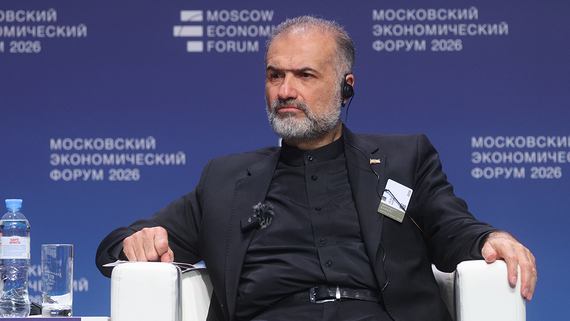
In a significant development highlighting the deepening technological ties between Tehran and Moscow, Iranian IT students recently participated in the Positive Hack Camp held in the Russian capital. This collaborative initiative underscores the expanding partnership between the two nations in the critical field of cybersecurity, as both countries continue to strengthen their strategic relationship amid ongoing geopolitical tensions with Western powers. The Iranian Ambassador’s remarks about this cooperation signal a new phase in bilateral relations that extends beyond traditional economic and military spheres into the digital domain.
Growing Digital Partnership Between Iran and Russia
The participation of Iranian IT students in the Positive Hack Camp represents more than just an educational exchange—it symbolizes a strategic alignment in the cybersecurity sector between two nations that have faced significant Western sanctions. Positive Hack Camp, organized by Positive Technologies, one of Russia’s leading cybersecurity firms, brings together young specialists from various countries to develop their skills in identifying vulnerabilities, ethical hacking, and digital defense mechanisms. The inclusion of Iranian participants marks an important milestone in the formalization of cyber cooperation between the two countries.
This partnership has been developing steadily over the past several years, with both nations recognizing the mutual benefits of sharing expertise in digital security. Russia, with its well-established cybersecurity industry and experienced workforce, offers valuable training opportunities for Iranian specialists. Meanwhile, Iran brings its own unique perspectives and capabilities, having developed significant cyber capabilities in response to attacks such as the Stuxnet virus that targeted its nuclear facilities in 2010. This shared experience of being targeted by sophisticated cyber operations has created common ground for cooperation.
Strategic Implications of Cyber Cooperation
The cybersecurity collaboration between Iran and Russia carries significant strategic implications that extend far beyond technical training programs. Both nations have been subjected to extensive Western sanctions, which have limited their access to certain technologies and international markets. By pooling their resources and expertise, Tehran and Moscow can develop more robust digital infrastructures and defensive capabilities independent of Western influence. Analysts suggest this partnership could lead to the creation of shared cybersecurity frameworks, joint research initiatives, and potentially coordinated approaches to digital governance.
International observers note that this cooperation fits within a broader pattern of non-Western nations establishing alternative technological ecosystems. Similar to initiatives in areas such as banking systems and satellite communications, cybersecurity partnerships allow sanctioned nations to reduce their dependence on Western technologies and standards. The Russian-Iranian cyber alliance also aligns with both countries’ participation in organizations like the Shanghai Cooperation Organisation, where digital security has become an increasingly important agenda item.
Educational Exchange and Future Prospects
The Positive Hack Camp experience provides Iranian students with hands-on training in cutting-edge cybersecurity techniques, including penetration testing, malware analysis, and secure coding practices. These skills are increasingly valuable as both nations face growing cyber threats and seek to protect critical infrastructure from digital attacks. The educational component of this partnership may serve as a foundation for longer-term cooperation, potentially including joint degree programs, research collaborations, and professional exchange opportunities between Russian and Iranian cybersecurity firms.
Looking ahead, experts anticipate that the cyber partnership between Iran and Russia will continue to deepen and formalize. There have been discussions about establishing bilateral agreements specifically focused on cybersecurity cooperation, including provisions for information sharing about threats, joint response mechanisms, and coordinated policy development. As digital technology becomes increasingly central to national security and economic competitiveness, these partnerships take on heightened significance. The participation of young Iranian specialists in Russian training programs today may shape the trajectory of both nations’ cyber capabilities for decades to come, while also influencing the broader landscape of international cybersecurity alliances.
Expert Opinion: The formalization of Russian-Iranian cybersecurity cooperation represents a strategic response to Western technological containment policies and signals the emergence of alternative digital security blocs. As both nations continue to face isolation from Western cyber ecosystems, we can expect accelerated development of indigenous capabilities and potentially the creation of shared standards that could influence other non-aligned nations. This partnership may ultimately reshape the global cybersecurity landscape into more distinct spheres of influence.