
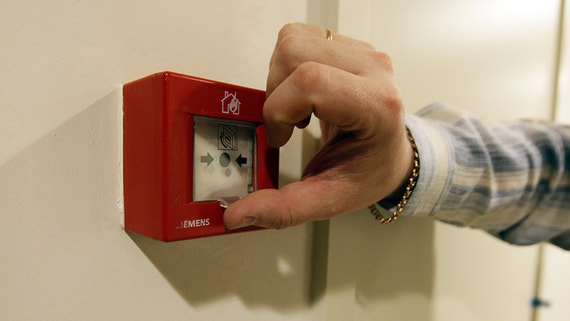
The public sector has significantly ramped up its expenditures on security and fire protection systems, with some estimates suggesting spending has increased several times over compared to previous years. This substantial growth in government procurement reflects heightened attention to safety infrastructure across public institutions, administrative buildings, and critical facilities. The trend marks a notable shift in budget priorities as authorities seek to modernize aging security systems and implement more sophisticated protection measures.
The increased investment comes amid growing concerns about facility security and fire safety compliance across government properties. Public institutions, including schools, hospitals, administrative centers, and transportation hubs, are undergoing comprehensive security upgrades that encompass everything from advanced surveillance cameras and access control systems to state-of-the-art fire detection and suppression equipment.
Driving Forces Behind the Investment Surge
Several factors have contributed to this dramatic increase in security spending. First and foremost, regulatory requirements have become more stringent, compelling government agencies to upgrade their facilities to meet new safety standards. Additionally, a series of incidents at public buildings in recent years has prompted authorities to take a more proactive approach to security infrastructure. The modernization of legacy systems, many of which were installed decades ago and have become obsolete, represents another significant driver of current expenditures.
Industry analysts point to technological advancement as a key factor in the spending increase. Modern integrated security systems combine video surveillance, intrusion detection, fire alarms, and access control into unified platforms that can be monitored remotely. These smart systems utilize artificial intelligence for threat detection and can automatically alert emergency services, representing a significant upgrade from traditional standalone devices. However, such sophisticated technology comes with substantially higher price tags, contributing to the overall growth in procurement budgets.
Market Impact and Industry Response
The surge in government contracts has had a considerable impact on the security systems market. Domestic manufacturers and integrators have seen order volumes increase substantially, with some companies reporting record backlogs. This government-driven demand has helped offset weakness in other sectors and has encouraged investment in local production capabilities. The trend toward import substitution has further benefited domestic suppliers, as government agencies increasingly prioritize locally manufactured equipment for critical infrastructure projects.
The fire protection segment has seen particularly strong growth, with spending on fire detection systems, emergency notification equipment, and suppression systems all posting significant gains. Government facilities are being equipped with modern addressable fire alarm systems that can pinpoint the exact location of a fire, enabling faster response times and potentially saving lives. Sprinkler systems, emergency lighting, and evacuation guidance systems are also being installed or upgraded across thousands of public buildings.
Long-term Implications and Future Outlook
Looking ahead, industry experts anticipate that elevated government spending on security systems will continue for several years. The sheer scope of the modernization effort, which encompasses facilities across the entire country, ensures sustained demand for equipment and installation services. Budget allocations for the coming fiscal years suggest that authorities remain committed to completing this comprehensive security upgrade initiative.
The increased focus on safety infrastructure also has broader implications for public welfare. Enhanced security systems not only protect government assets but also ensure the safety of millions of citizens who visit or work in public buildings daily. Fire protection upgrades, in particular, address critical vulnerabilities that could otherwise lead to tragic consequences. As the modernization program progresses, the government sector is setting new standards for facility security that may eventually influence private sector practices as well.
Expert Opinion: The current surge in government security spending represents a fundamental shift in how public authorities approach facility protection, moving from reactive maintenance to proactive modernization. This trend is likely to sustain elevated demand in the security systems market for at least three to five years, creating significant opportunities for manufacturers and integrators who can meet stringent government procurement requirements. The integration of AI-powered analytics and IoT connectivity into these systems suggests that future maintenance and upgrade cycles will generate recurring revenue streams for established suppliers.